
How Solar and Renewable Power Are Stabilizing Commercial Operations in Nigeria
For commercial enterprises and industrial facilities across Nigeria, power is rarely just a utility bill. It is the single largest operational variable determining uptime, product pricing, and overall business survival. Frequent grid disruptions and fluctuating diesel prices have forced businesses to rethink their operational strategies. Relying entirely on fossil-fueled generators is no longer a viable long-term plan for modern enterprises seeking predictable cost structures.
Clean energy has moved from an aspirational environmental goal to an essential operational hedge. Through targeted commercial solar installations and hybrid microgrids, companies are securing the reliable power needed to keep operations running continuously.
The Cost of Unpredictable Power
When a factory floor, cold room, or administrative facility loses power unexpectedly, the costs extend far beyond the fuel burned to restart generators. Production batches spoil, sensitive electronic machinery suffers voltage shocks, and delivery deadlines slip.
For years, commercial managers viewed diesel generators as the only reliable safeguard. However, diesel generation introduces compounding friction into day-to-day operations:
-
Unpredictable Fuel Budgets: Rapid shifts in fuel prices make quarter-by-quarter budgeting difficult and erode operating margins.
-
Continuous Mechanical Maintenance: Running generators around the clock leads to frequent mechanical overhauls, oil replacements, and costly spare part imports.
-
Environmental Strain: Local air pollution, noise disturbance, and carbon output conflict with modern regulatory expectations and corporate responsibility standards.
The Hybrid Transition: Designing for Continuity
Switching to renewable power does not require an abrupt, all-or-nothing dismantling of existing electrical setups. Instead, modern commercial systems rely on intelligently integrated hybrid architectures.
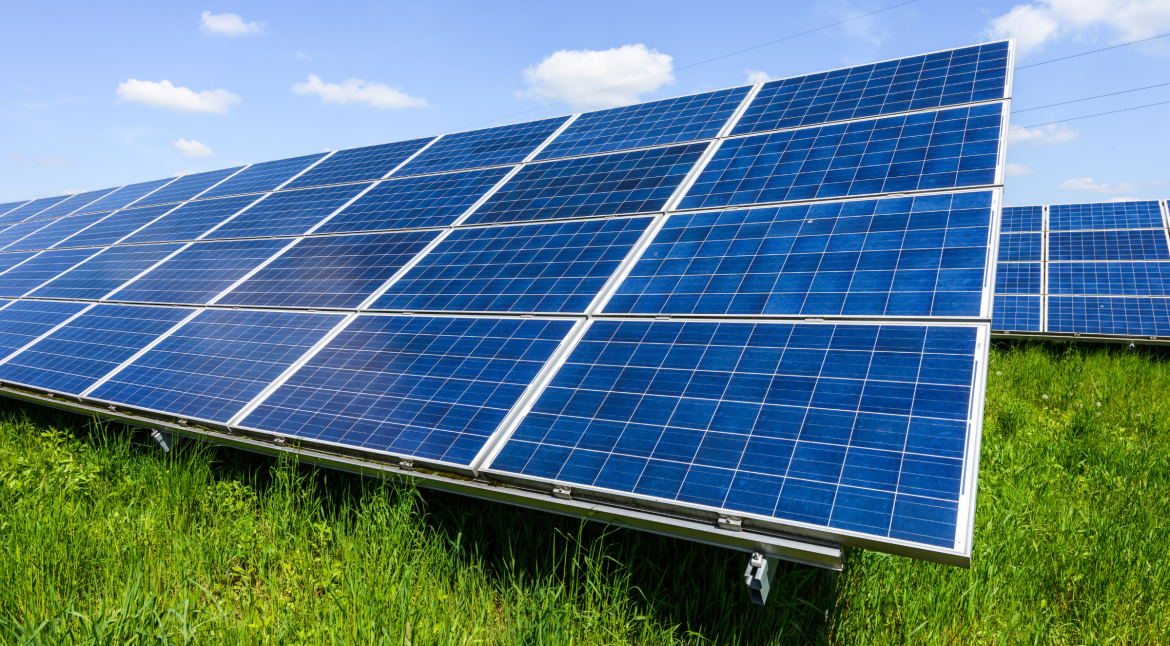
Bliss Energy & Renewable focuses on engineered solutions tailored to specific commercial load profiles. By pairing high-efficiency solar photovoltaic (PV) arrays with industrial-grade inverter units and Lithium Iron Phosphate (LiFePO4) battery storage, facilities create a self-sustaining primary power layer.
During peak daylight hours, rooftop or ground-mounted solar arrays carry the primary operational load, powering everything from heavy processing equipment to climate control and server rooms. Excess power charges the battery bank. If grid power fails or weather conditions drop solar output, the system transitions smoothly without voltage sags or machine shutdowns. Generators are relegated to a secondary, emergency backup role, significantly reducing running hours and diesel consumption.
Measuring Long-Term Return on Investment
While capital allocation for commercial solar requires deliberate planning, the return on investment is grounded in clear operational metrics:
-
Operating Expense Reduction: By offsetting 60% to 80% of daylight energy consumption, facilities experience an immediate drop in monthly fuel and utility expenditures.
-
Predictable Energy Pricing: Solar power provides an essentially fixed energy cost profile over the 20 to 25 year lifespan of the panels, insulating businesses from currency and fuel market shocks.
-
Equipment Longevity: Consistent, clean sine-wave electricity delivered through modern inverters protects precision industrial equipment from the surges and frequency drops common in erratic grids.
Powering Sustainable Industrial Growth
As Nigerian commerce expands, the enterprises that thrive will be those that control their essential inputs. Energy independence at the site level is the foundation of dependable supply chains and consistent output.
Bliss Energy & Renewable partners with commercial facilities, real estate developments, and agricultural sites to design, deploy, and maintain clean power infrastructure built for local operating realities. By stabilizing daily power, we help Nigerian businesses focus on their core mission: manufacturing goods, serving clients, and growing the regional economy with complete confidence.